
Unmasking Subtext: Exploring Diverse Relationships and Interpretations in Pop Culture
This article delves into how audiences interpret complex relationship dynamics and identities, particularly bisexuality and non-monogamy, within popular culture narratives. It emphasizes the power of subtext, inclusive storytelling, and the enriching role of diverse perspectives in engaging with fictional worlds.
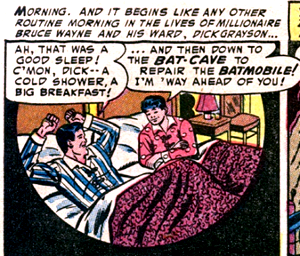
The stories we consume often extend far beyond their surface narratives. Audiences, with their unique perspectives and lived experiences, frequently engage with fictional worlds by reading between the lines, searching for resonance and meaning that might not be explicitly stated. This act of interpretation is not merely passive consumption; it's an active process that enriches the narrative, allowing it to evolve and speak to a broader spectrum of human experience.
One particularly fertile ground for this deeper engagement lies in the exploration of character relationships and identities. When creators leave aspects of a character's inner life ambiguous, it opens up a space for viewers and readers to project their own understanding, desires, and identities onto the narrative. This can be especially powerful for marginalized communities seeking to see themselves reflected, even subtly, in the cultural landscape.
The human imagination thrives on possibility, and in the realm of fiction, that possibility extends to the full spectrum of love, attraction, and connection. When narratives present intense bonds, loyal partnerships, or unconventional groupings, it's natural for diverse audiences to consider how these dynamics might align with various forms of intimacy, including those beyond traditionally depicted monogamous, heterosexual relationships.
This editorial explores the fascinating interplay between creative intent, audience interpretation, and the cultural craving for diverse representation. It examines how conversations around subtext, particularly concerning bisexuality and non-monogamy, not only enrich our understanding of fictional worlds but also reflect a growing societal openness to a wider array of identities and relationship structures. We'll delve into why these interpretations matter and how they contribute to a more inclusive tapestry of storytelling.
Ultimately, how we engage with stories shapes our understanding of the world and ourselves. By embracing the fluidity of interpretation, we celebrate the diverse ways humans connect and love, both on and off the page or screen.
The Allure of Subtext and Speculation in Storytelling
Subtext, the unspoken meaning or implication beneath the surface of a narrative, is a powerful tool in storytelling. It allows for complexity, nuance, and layers of meaning that can resonate differently with each individual in the audience. When a character's romantic or sexual inclinations are not explicitly stated, or when their significant relationships defy simple categorization, subtext becomes an invitation to explore deeper possibilities.
For many, particularly those within the LGBTQ+ community, the search for subtext isn't just idle speculation; it's an act of validation and hope. For decades, explicit queer representation was rare or overtly negative, forcing audiences to find solace and identification in ambiguous character dynamics. This practice has cultivated a keen eye for subtle cues and an appreciation for narratives that, intentionally or not, lend themselves to diverse readings.
Decoding Diverse Relationship Dynamics in Fictional Worlds
Fictional universes are often populated with characters whose bonds transcend simple labels. Friendships can be intensely intimate, rivalries can simmer with complex emotional energy, and partnerships can operate on levels of loyalty and devotion that mimic romantic love. Understanding these dynamics through a more expansive lens allows us to appreciate the richness of human connection without imposing rigid categories.
When considering the possibility of bisexual or non-monogamous interpretations, we often look at how characters interact with multiple individuals, the nature of their emotional investment, and the unique ways they prioritize different connections. This isn't about forcing an agenda, but rather acknowledging that attraction and love can manifest in varied, complex forms that challenge binary thinking.
The Imperative of Inclusive Storytelling and Interpretation
The demand for inclusive storytelling isn't just about having more diverse characters; it's about creating narratives that reflect the full spectrum of human experience. This includes acknowledging that identities like bisexuality and relationship structures like non-monogamy are valid and exist in the real world, and therefore deserve a place in fictional representations, whether explicit or through thoughtful subtext.
When audiences, especially those from underrepresented groups, see their identities or relationship styles reflected in stories, it fosters a sense of belonging and normalization. Even when interpretations are not explicitly confirmed by creators, the mere act of discussing and envisioning these possibilities creates a vital space for dialogue and understanding, pushing cultural boundaries and expanding the common narrative of what love and partnership can be.
A Bisexual Lens: Challenging Mononormative Narratives
Bisexuality, by its very nature, defies singular categorization, often challenging the societal expectation of exclusive attraction. Applying a bisexual lens to character relationships allows for a more nuanced understanding of attraction as fluid and expansive, rather than strictly confined to one gender. This perspective can illuminate previously overlooked depths in character motivations and emotional landscapes.
When characters exhibit strong bonds with individuals of different genders, or show signs of attraction that don't neatly fit a monosexual mold, a bisexual interpretation offers a powerful framework. It recognizes the capacity for attraction to multiple genders, validating a significant portion of the population and broadening the scope of what love and desire can look like within a story.
Exploring Non-Monogamous Themes and Ethical Connection
Beyond sexual orientation, discussions around relationship structures also benefit from an expanded view. While traditional narratives often center on monogamous ideals, many real-world relationships are ethically non-monogamous, built on principles of open communication, consent, and mutual respect for multiple connections. Fictional dynamics, even when not explicitly labeled, can sometimes mirror these structures.
Interpreting fictional relationships through a non-monogamous lens isn't about suggesting infidelity, but rather about recognizing the potential for deep, consensual, and interconnected bonds between more than two people. It invites consideration of how characters might navigate multiple intimate partnerships with integrity, focusing on emotional honesty and a shared understanding of boundaries and expectations, even if these are only implied in the narrative.
Fandom's Role in Co-Creating Narrative Meaning
Fandom communities play a crucial role in the ongoing evolution of narratives. Through fan fiction, art, and critical discussions, audiences actively engage with stories, often filling in gaps or exploring possibilities that creators may not have intended. This collective interpretation is a testament to the enduring power of stories to spark imagination and foster connection.
In these spaces, queer and non-monogamous readings of characters and relationships flourish, providing safe havens for individuals to explore their identities and desires through a shared fictional lens. Fandom demonstrates that narratives are not static entities but living, breathing conversations, continually shaped by the diverse perspectives of those who engage with them.
The Real-World Resonance of Fictional Explorations
Discussions sparked by fictional subtext have a profound real-world impact. They normalize conversations about diverse sexualities and relationship structures, making these topics less taboo and more integrated into mainstream discourse. By exploring these ideas safely within a fictional context, individuals can better understand themselves and the diverse world around them.
Ultimately, the ongoing conversation about diverse interpretations in pop culture helps to dismantle rigid expectations about identity and relationships. It champions the idea that love, attraction, and partnership are vast and varied, encouraging a more inclusive and accepting society where all forms of consensual connection are understood and respected. The act of interpretation becomes a powerful step towards greater empathy and understanding in our own lives.
Frequently asked questions
Why do audiences often speculate about a character's sexuality or relationship dynamics?
Audiences speculate for various reasons, including a desire to see themselves represented in media, to engage more deeply with character complexity, or to explore themes that resonate with their own experiences. The ambiguity left by creators invites interpretation, allowing for a richer, more personal connection to the story.
Does interpreting a character as bisexual or non-monogamous change the original story's intent?
Interpretation is a subjective experience. While it may not align with a creator's initial intent, it doesn't diminish the original work. Instead, it enriches the narrative by highlighting its capacity to resonate with diverse audiences and opens up valuable conversations about representation and the multifaceted nature of human connection. Art often lives beyond its creator's first vision.
How can creators improve diverse representation in their stories?
Creators can improve representation by explicitly writing diverse characters and relationships into their narratives. Additionally, crafting nuanced character dynamics that naturally lend themselves to broader interpretations, without relying on harmful stereotypes, can also contribute to a more inclusive storytelling landscape, validating varied experiences and identities.
Is it valid to see queer or non-monogamous themes in media when they are not explicitly confirmed?
Absolutely. Reader-response theory highlights that the meaning of a text is co-created by the audience. If certain dynamics or subtexts resonate with a queer or non-monogamous reading, it's a valid and often profound way for individuals to engage with the material and find personal relevance within the story. This process often fosters community and deeper understanding.